
Vines and Branches, Gardens and Fruit
by Heather Perrin
Therefore, my beloved, as you have always obeyed, so now, not only as in my presence but much more in my absence, work out your own salvation with fear and trembling, for it is God who works in you, both to will and to work for his good pleasure. (Philippians 2:12-13)
Abide in me, and I in you. As the branch cannot bear fruit by itself, unless it abides in the vine, neither can you, unless you abide in me. I am the vine; you are the branches. Whoever abides in me and I in him, he it is that bears much fruit, for apart from me you can do nothing. (John 15:4-5)
I appeal to you therefore, brothers, by the mercies of God, to present your bodies as a living sacrifice, holy and acceptable to God, which is your spiritual worship. Do not be conformed to this world, but be transformed by the renewal of your mind, that by testing you may discern what is the will of God, what is good and acceptable and perfect. (Romans 12:1-2)
These passages might be familiar to you, and they all refer to the reality that those of us who have been rescued by Jesus and have placed our faith and trust in the gospel are compelled to change. This isn’t new information for most of us. Following Jesus, becoming a Christian, discipleship, whatever you choose to call it, we expect it to make us different somehow.
If you have experienced any of the forms of legalism that have infested the church (in order to be loved and accepted by God or His people, you must behave appropriately and earn his favor), then these verses might be difficult or even upsetting. Interpreting the Scriptures in this way teaches a false gospel–the truth is we are loved and accepted because of Christ’s righteousness, not our own.
The message of the Bible is the other way around: while we were still sinners, Christ died for us, rescuing wayward rebels and giving them His free gift of grace (Romans 5, Ephesians 2). This miracle then creates a new person, secure in the love and favor of God, who begins the long, slow work of living like what is already true.
By the grace of God, we grow. We change. We look less like the rebel and more like the Son. In our efforts to correct the false gospel of legalism, we may have forgotten that the call of Christ does, in fact, produce a transformed life.
But how?
Do you read these passages and come away with a clear–OK! I know just how to do that, thank you very much, I’ll get right to it. (If you do, please reach out. We could use your help).
There is an element of mystery here. Transformation is the work of God and man. It is us who abide in Christ, but it is Christ who bears fruit. It is us who work out our salvation, but it is God who works in us. It is us who present our bodies as living sacrifices, but what does that even mean?!
The answer the Bible gives to the question, How do we change?, is not easily definable, and it is not a step-by-step process. But it is an invitation into a living, breathing, loving relationship with the Spirit of God. It is both an active work and an expectant surrender.
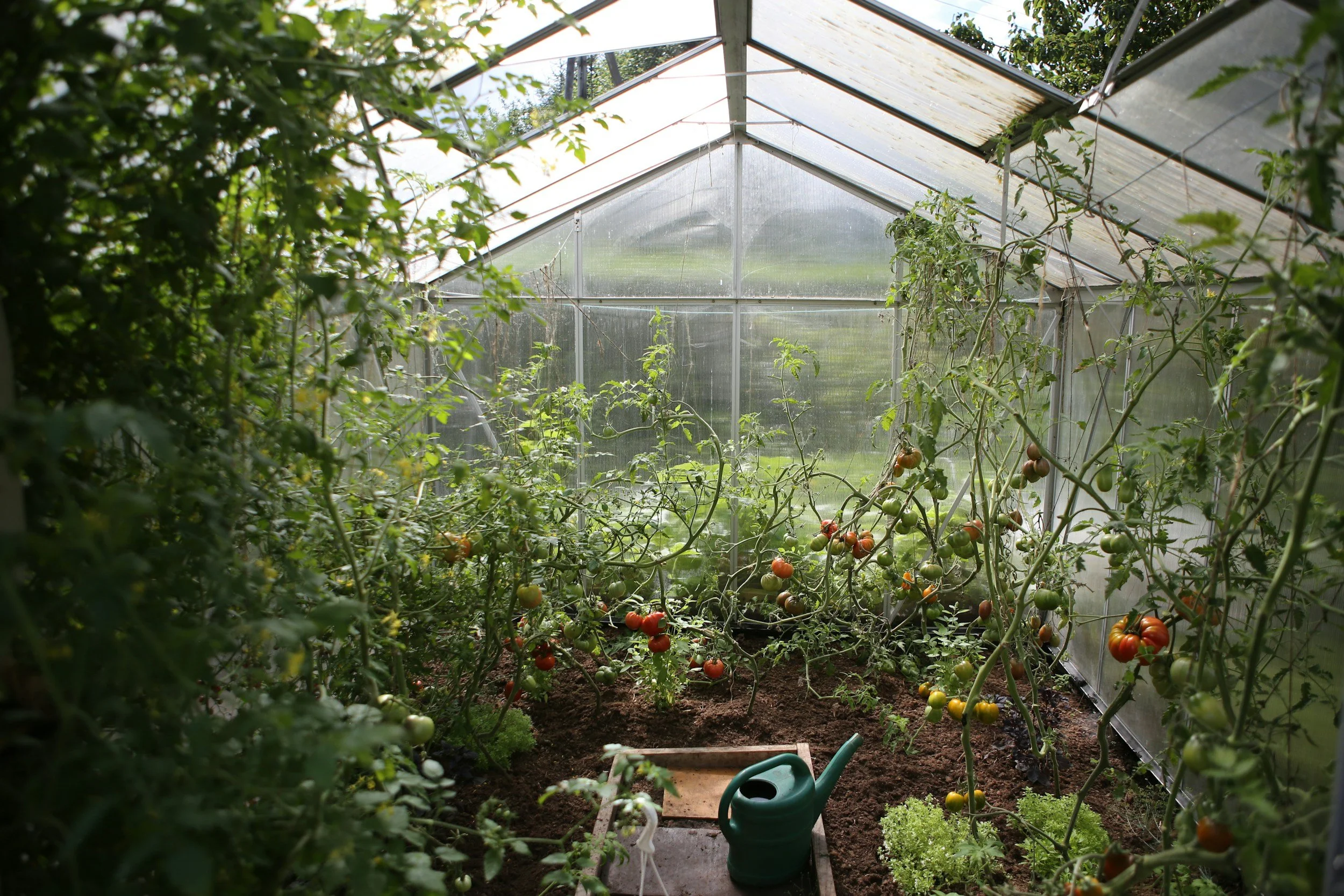
Jesus uses agricultural metaphors often - I am the vine, you are the branches - and I think there’s a good (if not totally perfect) picture of transformation in the idea of a garden.
Imagine you have a plot of land, and you dream of feeding your family with it. You carefully turn the soil, digging up roots, removing rocks, and creating rows for the crops. You are intentional to watch for weeds, apply fertilizer, and monitor pests or creatures who may steal or spoil your harvest. It takes time, daily effort, sun, water, and patience.
But what if you never planted seeds?
It wouldn’t matter how neat your garden rows were - there is no life there. However, if you did have good seed, the tender care and hard work you put into caring for the garden would result in a bountiful harvest that feeds you and many others.
Spiritual formation is a little like this. You and I tend the soil, but the Spirit bears fruit. Apart from me, you can do nothing.
I think the metaphor works the other way too–if you have good seed, it will grow. Even if your garden looks like the raised bed in my front yard I have neglected for two years, the plants nestled in the soil do what they are biologically designed to do. Jesus is committed to bringing life to His people, and He is dependable. His Spirit is at work in us, and if we are united to Him, He will not let us wither. But we can get in the way of our own fruitfulness if we continue to walk in patterns that don’t bear the fruit we desire.
Right, but like, how?
The actual tending of our souls isn’t digging rows and pulling weeds. It’s the ancient practices that “set the Lord always before” us (Psalm 16:8). There’s no singular plan or set of practices, just as no two gardens need exactly the same weeds to be pulled, but the big idea is the same for all of us:
And we all, with unveiled face, beholding the glory of the Lord, are being transformed into the same image from one degree of glory to another (2 Corinthians 3:18)
We behold the Lord in His Word, in prayer, in confession, in fellowship, in giving and receiving service, in silence, and in worship. What we typically call “spiritual disciplines” have also been called “means of grace.”
It’s also significant that they are called “practices,” because they take, well, practice. If I see that my heart is bent toward selfishly hoarding my resources, but I know Christ has been indescribably generous with me, I have to actually begin practicing generosity. While talking with Him in prayer about my struggle, confessing my selfishness, and meditating on the riches He has given to me in Christ, I also open my wallet and tip more than I typically would at the Mexican restaurant. Taking a step of faith and trusting Him to bear the fruit. The next time, it is a little easier.
It’s not one or the other. Pray or practice. It’s both. We work out our formation with our thoughts, our feelings, our desires, and our actions. Tiny step by tiny step, trusting that He sees and cares about our growth more than we do.
Spiritual formation is this mysterious yet still practical dance. I put my hand to the work with clear intention, knowing full well that it is God who bears the fruit in me. The beauty is that He is a Good Gardener, and the seed of the gospel planted in our hearts is bursting with life.
Everyone who believes that Jesus is the Christ has been born of God, and everyone who loves the Father loves whoever has been born of him. By this we know that we love the children of God, when we love God and obey his commandments. For this is the love of God, that we keep his commandments. And his commandments are not burdensome. (1 John 5:1-3)
His commandments are not burdensome. He is inviting us into life. He is bursting with it, eager to spill it into our hearts for the healing of the world.