Series Outline
We want to encourage you to read the psalm during the week prior to the sermon and use the tips in this guide to help you engage with them throughout the series.
While the psalms could foster many helpful practices and we will talk about several of them, we are going to focus on the disciplines of prayer and meditation throughout the series, so this guide emphasizes those two. These two practices are integral to our life with God, and can help form us in any season.
Our hope throughout this series is that we would grow to understand and experience the steadfast love of God, and that we would learn to live honestly before Him, bringing every emotion and every season of life into His healing presence.
-
Psalm 1
-
Psalm 19
-
Psalm 42
-
Psalm 51
-
Psalm 13
-
Psalm 136
-
Psalm 127
-
Psalm 33
-
Psalm 133
-
Psalm 90
-
Psalms in the NT

How to Read the Psalms
When we come to any book of the Bible, it is helpful to understand what kind of book it is. The Bible is comprised of many different kinds of writing (genres), and individual books often contain more than one type. Understanding the features of the book we are reading or studying can greatly add to our understanding of that book and help protect us from misinterpreting or misapplying it.
Read (or listen to) the same psalm every day for a week. Yes, it can be that simple. Repetitive reading is an underrated tool to aid understanding.
Read in different translations. As different versions use different English words to convey the meaning of the original, more of the ideas will come through.
Read, then read again. Read a single psalm through, then read it again asking the Spirit to highlight a word or phrase for you to dwell on. Return to that word or phrase throughout the day.
Choose a verse to memorize. Does one verse or passage stand out? Commit it to memory.
Write the psalm. The act of writing forces us to pay attention to individual words and phrases. This practice can also lead you to pray the words of the psalm in your own context.
Tips for Meditating on the Psalms
Biblical meditation is simply the slow, deliberate attention paid to the words of Scripture. It is a matter of looking carefully at the words and considering, with the help of the Spirit, the meaning and implication of each one.
Meditation is one of the practices we bring to the Scriptures. It is especially fruitful as we pair it over time with study, reading longer passages, memorization, and other practices.
Because the psalms are ancient Hebrew poetry, meditation is an especially helpful tool to weigh the words and implications and ask the Spirit to shape our hearts with them.
This is a rich and varied practice, so we offer just a few tips as you seek to spend time in these psalms over the next weeks.
Journal a Psalm
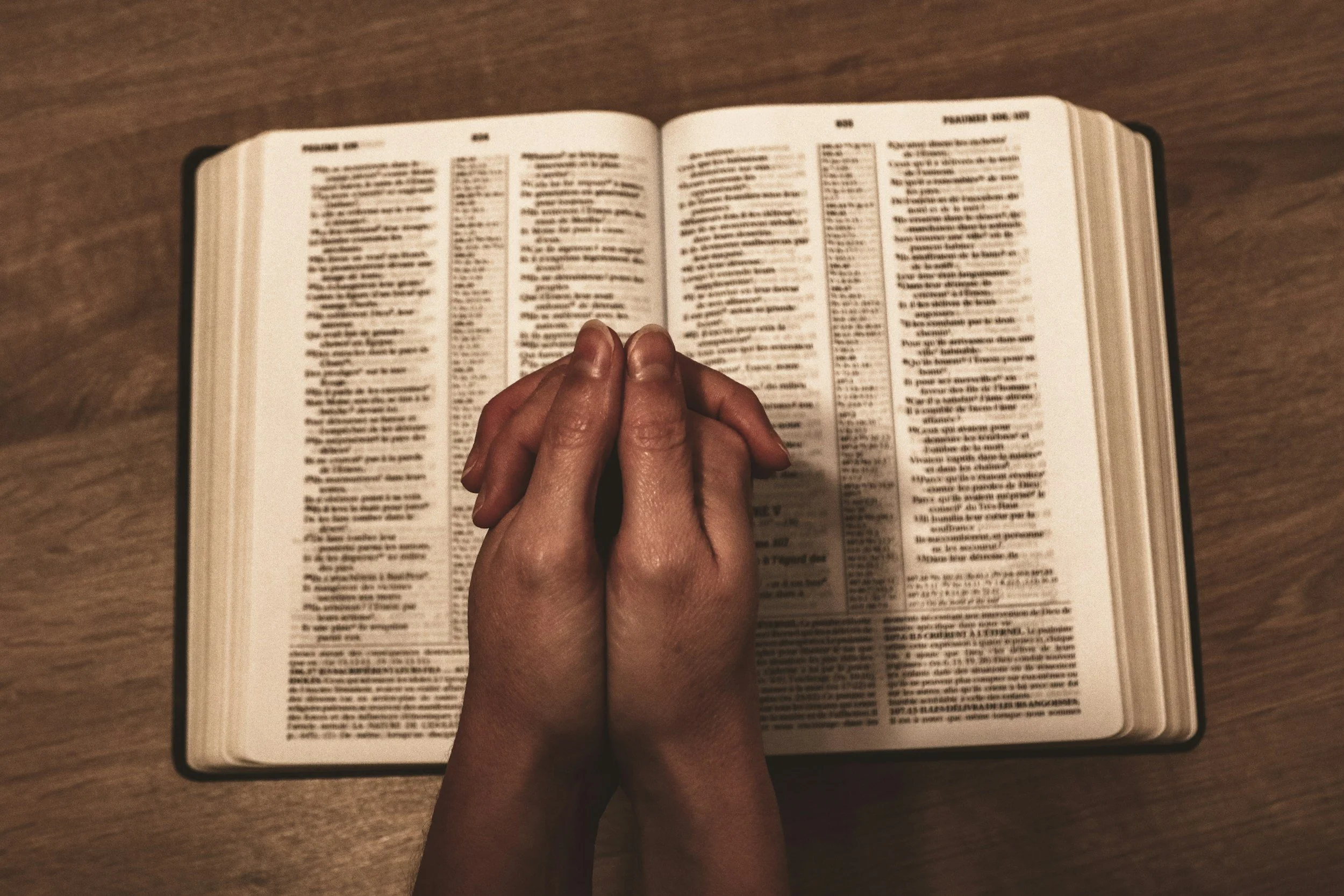
As we noted in the meditation tips, the act of writing the psalm is a help in itself. As you write, you may begin to use the words of the psalm to talk to God about your own life or circumstances. Write a verse or stanza of the psalm, then let it lead you to pray in your own words about similar ideas or themes.
Sing a Psalm
The psalms were written as songs either to be sung as a community or individually. Use one of the many wonderful musical adaptations of the psalms or simply sing the words however you like. See the recommended resources below if you want some suggestions.
Praying the Psalms
Prayer is simply talking with God, and there is no formula to get it right. Praying the psalms is an ancient Christian practice that trains our minds and hearts and teaches us to pray through every season of life with God’s own words. It is one more tool in our belt of beholding God and being shaped into His image. This isn’t an exhaustive list, but hopefully these tips encourage you to use the psalms as a guide and an aid in your own life with God.
Write a Psalm
After you have read and meditated on a psalm, let it be a springboard for writing your own. Maybe you need to write a psalm of lament over a situation in your life, or a psalm of rememberance for God’s past faithfulness. Don’t try to make it perfect, just write.
Intercede with a Psalm
If a psalm brings to mind someone in your life who is struggling, let the words of the psalm guide your prayer for that person or situation.
Incorporating Psalms into Missional Communities
Not yet a part of a missional community? Get connected here:
Our missional communities are relational contexts where we can practice the things we are learning and grow together. There are many ways to incorporate the psalms into our gatherings, but here are a few ideas to get started.
Read the week’s psalm aloud during your gathering.
Set aside time either during dinner or discussion to talk about the theme of the week’s psalm and try to practice it together. If the theme is lament, ask what is going on that we can grieve over. If it is thanksgiving, ask what we can thank God for.
On weeks that you don’t have a gathering, ask people in your group (GroupMe, text, whatever method you use) what they are seeing in the psalm of the week.
If you decide to memorize a verse or passage, ask if someone from your MC would like to memorize it with you.
End your MC gathering by praying through a psalm together.

Recommended Resources
-
Songs of Jesus, Tim Keller
Praying the Bible, Don Whitney
Open and Unafraid, David Taylor
Teach Me to Feel, Courtney Reissig
Praying with the Psalms, Eugene Peterson
-
Poor Bishop Hooper - “Psalms Project”
Worship Initiative - “Psalms”
Ellie Holcomb - “All of My Days”
Caroline Cobb - “Psalms: The Poetry of Prayer”
Sovereign Grace - “Psalms”
-