
By Matt Cobb
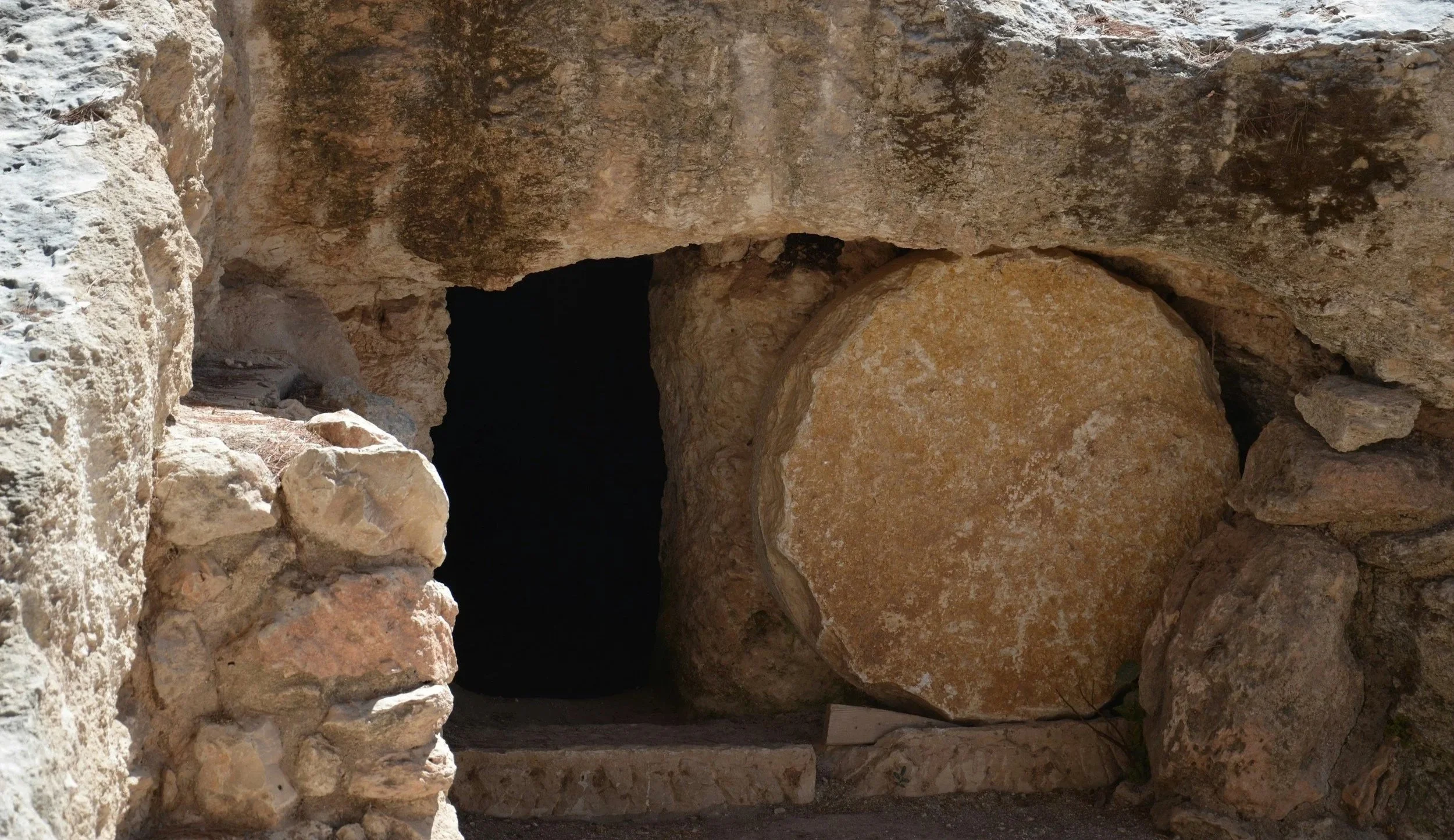
God is present in the midst of our fear
A running joke that we have in our house is how much I love a good quote. My wife calls them “fortune cookie sayings.” But I’ve always really enjoyed them. Recently, she was listening to a podcast by her best friend, Annie F. Downs, and while I was walking through the house, I heard this quote from the episode, and it really stuck with me:
“Your fear is as empty as this tomb.”
What a picture.
Not a denial of fear. Not a dismissal of real struggles. But a reminder that fear no longer has the final authority, because the tomb is empty.
We live in a world that gives fear a microphone. Fear of the future. Fear of provision. Fear of failure. Fear of what God might ask of us next. Fear loves uncertainty, and if we are honest, uncertainty shows up a lot in life. Yet Scripture speaks into fear again and again, not because God expects us to never feel it, but because He knows how easily it tries to take control.
In Joshua 1:9, God speaks directly to a man stepping into overwhelming responsibility:
“Have I not commanded you? Be strong and courageous. Do not be afraid; do not be discouraged, for the Lord your God will be with you wherever you go.”
Joshua was not standing at the edge of comfort. He was standing at the edge of calling. God did not remove the challenge. He removed the reason for fear by reminding Joshua of His presence. That pattern repeats throughout Scripture. Isaiah 41:10 says,
“So do not fear, for I am with you; do not be dismayed, for I am your God.”
Did you catch it? Notice what God does not say. He does not promise a life without difficulty. He promises Himself. The antidote to fear is not perfect circumstances. It is the presence of God in the middle of imperfect ones.
One of the most quoted verses about the future you’ll find in almost half of college dorms is Jeremiah 29:11:
“For I know the plans I have for you,” declares the Lord, “plans to prosper you and not to harm you, plans to give you hope and a future.”
We often read that verse through the lens of comfort, but it was originally spoken to people in exile. They were displaced, uncertain, and waiting. God’s promise did not erase their situation overnight. It anchored them in it. That truth matters. God’s plans do not require the absence of fear to still be good. His faithfulness does not depend on our emotional steadiness.
Fear is not ultimate
And then we come to the resurrection. The empty tomb is not just a celebration moment on a calendar. It is a declaration that the greatest fear that humanity has ever known, death itself, has been defeated. If death could not hold Jesus, then fear cannot hold those who belong to Him.
Romans 8:11 reminds us,
“And if the Spirit of him who raised Jesus from the dead is living in you, he who raised Christ from the dead will also give life to your mortal bodies because of his Spirit who lives in you.”
Let that sink in.
The same power that rolled away the stone lives within believers. That reality does not make life easy, but it does make fear smaller. Fear still whispers. It whispers when the path is unclear. It whispers when provision looks uncertain. It whispers when obedience feels costly. But fear is not in charge anymore.
Hebrews 13:6 says,
“The Lord is my helper; I will not be afraid. What can mere mortals do to me?”
That is not reckless confidence. That is grounded trust. It is the understanding that while fear may be loud, it is not ultimate. Even the disciples experienced fear after the crucifixion. They hid behind locked doors, unsure of what came next. Then Jesus appeared. The presence of the risen Christ transformed fearful followers into bold witnesses. The circumstances had not immediately changed, but their perspective had.
Because the tomb was empty.
When we remember the resurrection, we are reminded that fear operates from a defeated position. It argues from a place that has already lost. The stone was rolled away. The grave could not hold Him. And if Christ has victory over death, then the fears that loom over our daily lives do not get the final say. This does not mean we will never feel afraid. Faith and fear often coexist in the same heart. It means fear no longer gets to define our decisions, our outlook, or our identity.
Psalm 56:3 says,
“When I am afraid, I put my trust in you.”
Not if I am afraid. When I am afraid. That small shift is incredibly freeing. It acknowledges the human experience while pointing to a divine response.
So when uncertainty rises, when anxiety creeps in, when the future feels unclear, we return to that image. An empty tomb. A risen Savior. A living hope. Fear may feel full in the moment. But in light of the resurrection, it is hollow. Temporary. Powerless to determine the final outcome. Your fear may speak loudly, but it speaks from an empty grave. And the One who conquered that grave is still in charge today.